Instant Payments: Why Financial Institutions Must Say Yes
A small business owner watches $50,000 sit in limbo for three days while waiting for a wire to clear. Her supplier can’t ship inventory until the funds arrive. Payroll is due Friday, and cash flow is frozen. In 2025—when we can video call anyone on Earth in milliseconds—this shouldn’t happen. Yet for most U.S. businesses, it’s still reality.
Meanwhile, more than 70 countries have launched instant payment systems. India’s UPI processes over 20 billion transactions per month. Brazil’s PIX handles 6 billion transactions per month. The rest of the world has moved on. The U.S. is playing catch-up.
For financial institutions, the question is no longer “if” you should adopt instant payments—it’s whether you’ll lead or get left behind.
The Instant Payments Landscape in 2025
Instant payment systems provide account holders with near-instantaneous money transfers between bank accounts—24/7, 365 days a year, including weekends and holidays. Unlike traditional payment methods that process during business hours with 1-3 day settlement delays, instant payments settle in seconds.
The U.S. now has two competing systems. The Clearing House launched RTP in 2017, and it now reaches approximately 70% of all U.S. demand deposit accounts through over 1,000 participating institutions—largely because many of the biggest banks are participants. RTP supports transactions up to $10 million and processed 343 million transactions worth $246 billion in 2024 alone—a 94% increase in value from the prior year.
The Federal Reserve’s FedNow Service launched in July 2023 and has rapidly expanded to over 1,500 participating institutions, many of which are smaller community banks and credit unions. FedNow now reaches approximately 40% of U.S. DDAs and supports transactions up to $500,000.
The infrastructure is here. The question is whether your institution is using it.
Why This Matters: Four Business Imperatives
1. Your Customers Are Already Leaving
According to 451 Research, 45.6% of businesses are likely to open an account with a provider that supports real-time payments. A U.S. Bank survey found that 42% of U.S. businesses were already using instant payments in 2023, rising to 51% in 2024, with 80% planning to adopt by the end of 2026.
Financial institutions that don’t offer instant payments aren’t just missing a feature—they’re watching customers walk out the door.
2. The Global Market Won’t Wait
The instant payments market is projected to exceed $110 trillion globally by 2029. Transaction volumes are expected to grow from 195 billion in 2022 to over 500 billion by 2027. Financial institutions that adopt instant payments and expand internationally are positioning themselves for transformational growth.
3. Global Payments Revenue Is the Prize
According to McKinsey’s 2025 Global Payments Report, the payments industry generates $2.5 trillion in annual revenue from $2 quadrillion in value flows—making it the most valuable segment of financial services. Payments now represent 35% of total banking revenue. The institutions competing for global payments will define the next decade. The rest will be left behind.
4. Stablecoins Won’t Save You
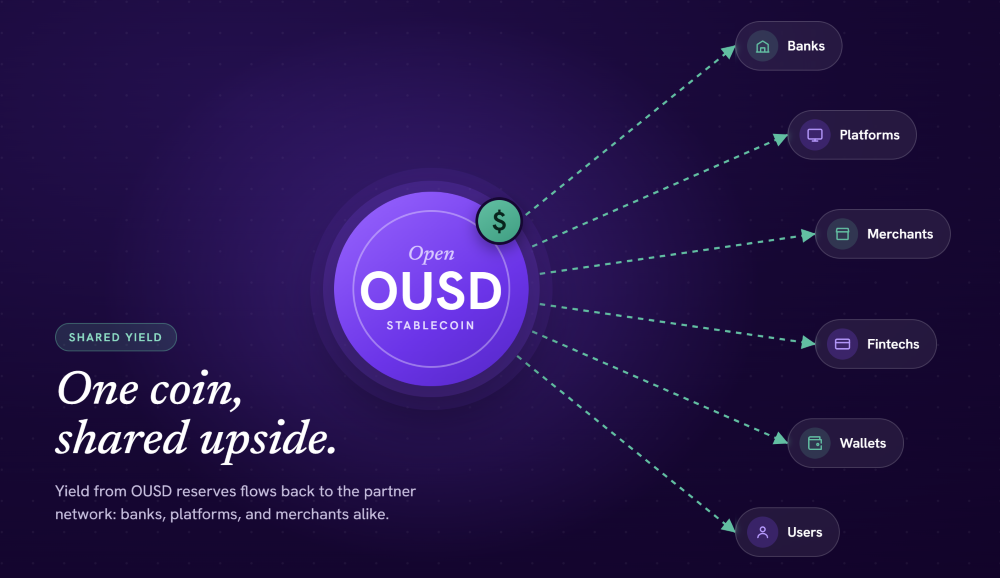
Some institutions believe stablecoins will solve cross-border payments. They won’t. Stablecoins are pegged to USD not local currency. The majority of countries lack regulatory frameworks for stablecoin or crypto adoption, meaning banks and businesses can’t build on rails that regulators haven’t approved. Recipients—families, suppliers, employees—want funds in their bank account or cash in hand, not a digital token they don’t understand. And even instant stablecoin transfers require off-ramping to local currency. Stablecoins move the problem. They don’t solve it.
Real-World Use Cases Driving Demand
Instant payments aren’t theoretical—they’re solving real problems today. B2B payments allow suppliers and vendors to receive funds immediately, eliminating cash flow gaps that strain business relationships. Payroll processing gives employees instant access to wages, improving satisfaction and retention. Cross-border remittances enable families to receive money transfers immediately rather than waiting days. Invoice settlement accelerates payment cycles and improves working capital. And P2P transfers let consumers send money to friends and family with immediate settlement.
Every day that instant payments aren’t available is a day your customers experience unnecessary friction.
Why Adoption Is Still Slow
If the opportunity is so clear, why haven’t more institutions moved? The barriers are real but surmountable.
Legacy technology upgrades are risky, complex, and costly. Half of financial institutions require certainty of ROI before committing resources. The non-interoperability of RTP and FedNow forces many FIs to implement both systems. Real-time processing demands new approaches to liquidity management, reconciliation, and error resolution. And because instant payments are irreversible, institutions need robust fraud detection and AML/CFT compliance before going live.
These challenges explain the hesitation. But they don’t justify inaction—because the cost of waiting is higher than the cost of moving forward.
The Path Forward
Successful adoption doesn’t require a complete system overhaul. Financial institutions are finding success through strategic partnerships with technology providers who handle infrastructure, integration, and 24/7 monitoring. This allows FIs to focus on strengthening core capabilities: liquidity management, reconciliation procedures, and fraud prevention frameworks.
A phased approach works best. Start with one use case. Focus on a specific customer segment. Build capabilities progressively and demonstrate ROI before expanding scope. The institutions moving fastest aren’t trying to boil the ocean—they’re proving value incrementally.
Will You Say Yes?
The market has spoken. Consumers and businesses expect payments to be instant, secure, and available around the clock. The infrastructure exists. The technology is proven. The only question remaining is whether your institution will lead or follow.
This is exactly why we built Instarails.
We help financial institutions modernize their global payment infrastructure without the complexity and risk of going it alone. Our white-label platform enables FIs to offer instant payments, expand into global markets, and serve both banked and unbanked customers—all with integrated compliance and fraud detection.
The institutions that say yes to instant payments today will define the next era of financial services. The ones that hesitate will spend the next decade explaining why they didn’t move sooner.
Contact Instarails to discuss how we can support your instant payment strategy.